Student Support Networks
A coordinated network of people, professionals, and services to ease students with disabilities’ secondary transition journey.
Learn More

A coordinated network of people, professionals, and services to ease students with disabilities’ secondary transition journey.
Learn More
What are Student Support Networks?
Student Support Networks are coordinated systems of people, programs, and services designed to help students with disabilities succeed academically, socially, and in their transition to adulthood. These networks provide tailored support to ensure access, inclusion, and progress toward postsecondary goals.

Education

Employment

Independent living

What are the Core Components of Student Support Networks?

Building Supportive Connections
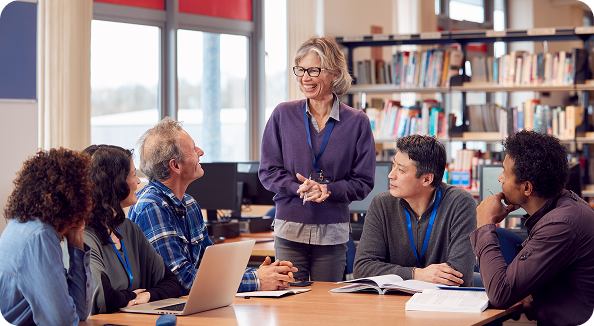
Students have access to a network of individuals (e.g., school staff, agency staff and service providers, employers, non-profits, family, friends and community members) who could support their transition to work, postsecondary education and independent living.

Planning Together for Success
The network of individuals collaborates with a student with a disability to design a coordinated set of transition activities and services that are aligned with their measurable annual goals and postsecondary goals.

Working Together in Action
The network collaborates with a student with a disability to implement transition activities and services. This ensures a smooth, tailored transition, promoting better outcomes and integration into post-secondary life or employment.
How Do Student Support Networks Impact Outcomes Related to IEP Transition Goals?

Citation

Citation

Citation
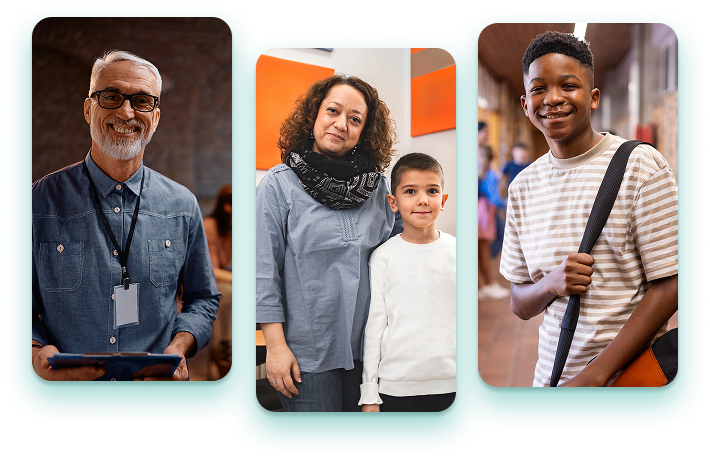

Strong support networks help students with disabilities reach their postsecondary goals by connecting them with people, programs, and services. Through collaboration, students gain access to education, employment, and independent living opportunities that match their strengths and aspirations.

Who are the Key Partners in Establishing Student Support Networks?
Discover how students themselves, family, school professionals, employers, and formal disability service providers collaborate to form a robust network of support for student success.