¿Qué es la Inclusión?

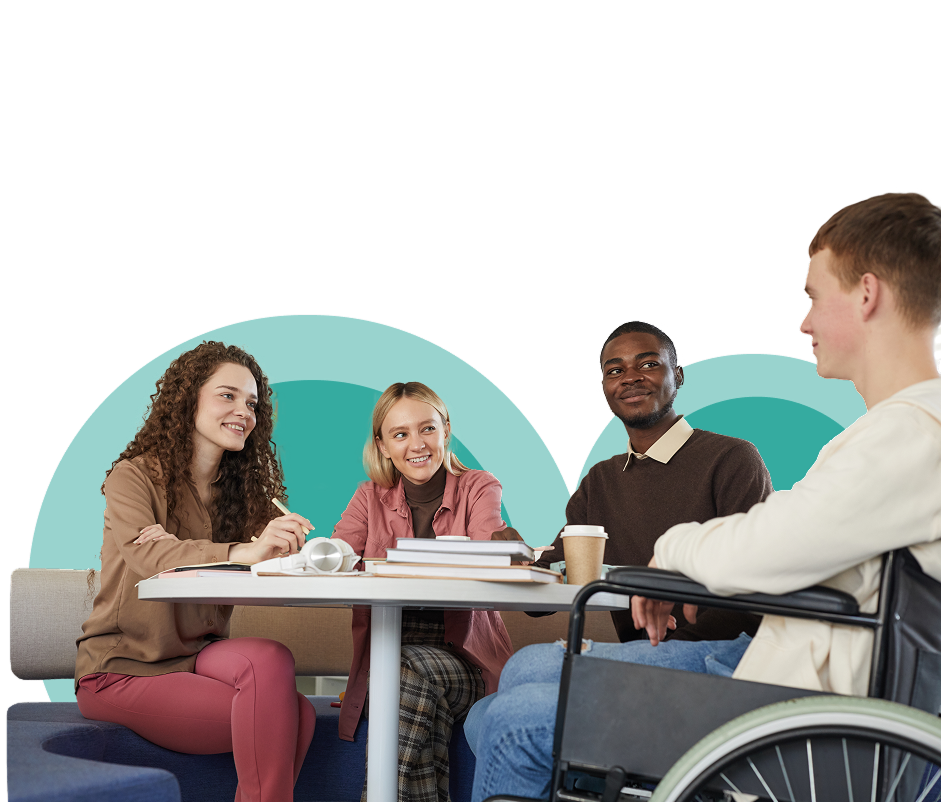
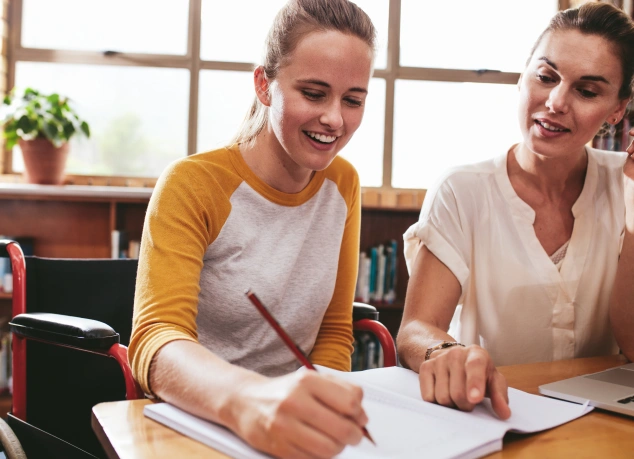
La inclusión en la educación general requiere que los estudiantes con discapacidades tengan acceso al mismo plan de estudios de educación general que sus compañeros, garantizando que reciban las mismas oportunidades y experiencias. Los estudiantes que pasan el 80 % o más de su tiempo en educación general presentan mejores resultados en empleo y vida independiente (Wagner et al., NLTS2).

La inclusión tiene un impacto significativo y respaldado por la investigación en los resultados relacionados con los objetivos de transición del IEP. Al implementar el Diseño Universal para el Aprendizaje (UDL), un marco de diseño instruccional, los estudiantes pueden participar de manera significativa en el aula junto a sus compañeros sin discapacidades.

Learn More arrow33 icon
about-owg icon

¿Cuáles son los Componentes Clave de la Inclusión?

La inclusión combina planificación sistemática con sus componentes fundamentales subyacentes para lograr resultados exitosos posteriores a la educación secundaria.

inclusion-ui icon
stdIcon2 icon

Inclusive Learning Environments

Bajo la práctica de transición inclusiva, los estudiantes con discapacidades reciben educación general con sus compañeros sin discapacidades en la mayor medida posible.

stdIcon3 icon

Equitable Instructional Strategies

El personal emplea estrategias y apoyos para involucrar de manera significativa a todos los estudiantes con discapacidades en el plan de estudios de educación general junto a sus compañeros sin discapacidades.

stdIcon1 icon

Collaborative Support Systems

Students with disabilities are only removed from regular classrooms if their needs cannot be met satisfactorily with supplementary aids and services.

¿Cómo Impacta la Inclusión en los Resultados Relacionados con los Objetivos de Transición del IEP?

La investigación sobre la efectividad de la inclusión ayuda a estudiantes, familias, educadores y consejeros a lograr transiciones significativas.

  • Los entornos inclusivos proporcionan más oportunidades para desarrollar habilidades sociales, comunicación, autodefensa y exposición a comportamientos y expectativas apropiadas para su edad, habilidades altamente transferibles al ámbito laboral.
  • Los entornos inclusivos permiten que los estudiantes con IEP accedan a un currículo rico en contenido y participen en trabajos en el aula, clubes y actividades de exploración profesional, ayudándoles a desarrollar habilidades vocacionales desde temprano.

Citas

  • Wagner, M., Newman, L., Cameto, R., & Levine, P. (2005).
  • Changes over Time in the Early Post-school Outcomes of Youth with Disabilities. National Longitudinal Transition Study-2 (NLTS2).
  • Inclusive classrooms expose students with IEPs to grade-level content, college-readiness standards, and higher expectations. This prepares them for the demands of postsecondary education, where self-directed learning, critical thinking, and academic persistence are essential.
  • Inclusive settings often require students to navigate accommodations, communicate with teachers, and manage schedules—skills they’ll need in college where supports are no longer mandated under IDEA but must be self-requested.

Citations

  • Morningstar, M. E., Kurth, J. A., & Johnson, P. E. (2017).
  • Examining the Relationship Between Inclusion and Postsecondary Outcomes for Students with Disabilities. The Journal of Special Education, 51(2), 135–145.
  • Inclusive environments provide more opportunities to practice functional life skills (e.g., communication, time management, problem-solving) in authentic, age-appropriate contexts.
  • Inclusive education fosters a culture of presumed competence and growth mindset. Teachers and families of students in inclusive settings are more likely to support goals related to independent living and promote autonomy rather than over-reliance on adult supports.

Citations

  • Bouck, E. C. (2012).
  • Postschool Outcomes of Students With Moderate/Severe Disabilities.
inclusion-uy icon

¿Quiénes son los Socios Clave en la Inclusión?

La inclusión requiere colaboración dedicada de los estudiantes, sus compañeros, familias, educadores, consejeros y profesionales de transición secundaria para lograr resultados postsecundarios exitosos.

inclusion-re

  • Rol: Tomadores de decisiones centrales; su voz, elección y preferencias deben guiar el proceso.
  • Contribución: Participar en reuniones de IEP, establecer metas personales, compartir ajustes que funcionen y reflexionar sobre sus aspiraciones postsecundarias.
  • Mejor Práctica: Usar IEP dirigidos por estudiantes e instrucción en autodeterminación.

  • Role: Experts on the student’s history, needs, values, and long-term vision.
  • Contribution: Share input on goals, advocate for inclusive opportunities, and support skill development at home and in the community.

  • Role: Primary facilitators of inclusive instruction.
  • Contribution: Provide access to grade-level content, implement Universal Design for Learning (UDL), differentiate instruction, and collaborate on accommodations/modifications.
  • Best Practice: Involve them early in IEP development.

  • Role: IEP case managers and instructional support providers.
  • Contribution: Guide the development of IEP goals, ensure services and supports are aligned, and help implement specialized instruction within general education environments.

(e.g., speech-language pathologists, OTs, PTs, school psychologists, behavior analysts)

  • Role: Deliver supports and services based on individual needs.
  • Contribution: Collaborate to integrate therapy or support into inclusive settings and contribute to present levels and goals in the IEP.

(e.g., principals, assistant principals, special education supervisors)

  • Role: System-level leaders for inclusion.
  • Contribution: Ensure inclusive policies, allocate resources, schedule staffing, provide training, and create a culture of high expectations.

(e.g., principals, assistant principals, special education supervisors)

  • Role: Provide instructional, behavioral, and personal support in inclusive classrooms.
  • Contribution: Reinforce strategies under teacher direction, promote independence, and support access—not separation.
quotes icon
quotes-o icon

Inclusive Classrooms, Empowered Futures

Inclusion means more than access; it’s about active participation, support, and belonging. When students with disabilities learn alongside peers in general education settings, they gain essential skills for independence, postsecondary education, and future employment in real-world and appropriate environments.

corner icon

Inclusion Resources

Browse through our resources for help and guidance in your Inclusion journey. For more links go to our resources page here